Pediatric Pelvic Health Virtual Summit 2026 (4th Annual) November 8th, 2026 (10am-5:30 pm EST)
Your Pediatric Pelvic Health Patients Can’t Wait. Neither Should You.
Register for the 4th annual Pediatric Pelvic Health Virtual Summit today

The Pediatric Pelvic Health Virtual Summit is dedicated to advancing the understanding, treatment, and awareness of pelvic health issues in children and adolescents. Our mission is to bring together healthcare professionals to share best practices, and innovative approaches to pediatric pelvic health. Through education, collaboration, and advocacy, we aim to improve the quality of life for young patients and their families, fostering a future where pediatric pelvic health is recognized, prioritized, and effectively managed.
Join Us for the Ultimate Virtual Gathering of Pediatric Pelvic Health Professionals!
If you’re an OT, PT, Physio, or specialized healthcare provider working with pediatric pelvic health patients — or you want to be — this is the event you’ve been waiting for. The 4th Annual Pediatric Pelvic Health Virtual Summit is back, and it’s bigger than ever.
Curated exclusively by two of the field’s most respected clinicians — Dr. Quiara Smith (OT) and Dawn Sandalcidi (PT) — this virtual summit brings together a powerhouse panel of guest experts to tackle the cases, questions, and clinical gaps that matter most to you.

Summit Highlights
This year, we're diving deep into the topics you can't stop thinking about:
● Pelvic Floor Therapy with the Growing Neurodiverse/Sensory-Challenged Population
● Psychosocial Considerations in Pediatric Pelvic Health
● Optimization of Fiber for Management of Diarrhea and Constipation
● An Outpatient Hospital-Based Bowel Management Program for Severe Constipation and Medically Complex Patients
● Biofeedback Applications for Pediatric Bladder and Bowel Disorders
● Body Safety, Consent, and the Powerful Role of Pelvic Health Providers
● Imaging in Pediatric Colorectal Disorders: A RAD PERSPECTIVE
● Electrical Stimulation in Pediatric Pelvic Health: Clinical Reasoning for Bowel and Bladder Care
WHAT YOU WALK AWAY WITH AFTER ATTENDING THE SUMMIT

ELEVATED CLINICAL CONFIDENCE
Stop second-guessing your approach. You'll leave with sharper skills and the assurance to deliver better outcomes for your youngest, most complex patients.

TOOLS THAT WORK IN REAL WORLD
Get targeted strategies and intervention frameworks built for challenging pediatric pelvic health cases — ready to use in your practice the very next day.

COMMUNITY THAT HAS YOUR BACK
Join a growing network of dedicated providers who are raising the bar in pediatric pelvic health. Collaborate, share, and grow — together.
This is your chance to learn from the best, treat with greater confidence, and become the provider your patients need!
Lecture Details
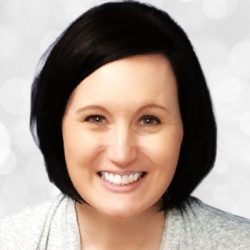
Amy S. O'Malley
How to Balance Bowel and Bladder PT with the Growing Neurodiverse/Sensory-Challenged Population:
Pediatric bowel and bladder care is increasingly complex as therapists encounter more neurodiverse and sensory-challenged patients. This session will introduce an updated framework designed to support families and clinicians from the very first intake call through evaluation, treatment, and integration of adjunct therapies, including mental health support. Attendees will explore strategies to balance essential bowel and bladder interventions while considering developmental stages, sensory processing differences, and physical factors. This presentation is not a checklist, but rather a practical, adaptable framework that helps newly treating therapists navigate the multi-dimensional needs of pediatric patients. Real-world examples will illustrate how to prioritize interventions, sequence therapies, and collaborate effectively with families and interdisciplinary teams. Clinicians will leave with actionable approaches that can be implemented immediately in practice to improve outcomes and family satisfaction.
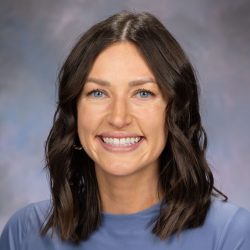
Samantha Goedde-Pappamihail
Optimization of Fiber for Management of Diarrhea and Constipation:
This lecture explores the clinical application of dietary fiber in the medical nutrition therapy of pediatric and adult bowel dysfunction, with a focus on understanding fiber’s mechanisms of action beyond the traditional soluble versus insoluble classification. Participants will examine how fiber characteristics including fermentability, viscosity, water-holding capacity, and gel-forming properties influence gastrointestinal motility, stool consistency, and microbiome activity in the context of both constipation and diarrhea. Drawing on current evidence, this course addresses the nuanced role of specific fiber types and sources in therapeutic practice, equipping clinicians with the knowledge to make individualized dietary recommendations for patients with functional and organic bowel conditions.
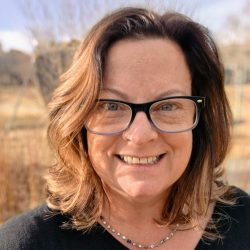
Dr. Kari Hayes
Imaging in Pediatric Colorectal Disorders: A RAD PERSPECTIVE:
Imaging studies are a common component of the diagnostic workup for children with bowel and bladder dysfunction — yet their scope is frequently misunderstood by both families and the providers who order them. This course equips pediatric pelvic health practitioners with the knowledge and communication skills needed to bridge that gap.
Participants will explore what common imaging modalities — including renal and bladder ultrasound, VCUG, MRI, and plain X-ray — can and cannot reveal in the pediatric population, with emphasis on distinguishing structural findings from functional ones. Equally important, participants will develop the language to communicate these distinctions clearly to ordering physicians, ensuring that imaging results are interpreted within a complete clinical picture rather than used as standalone diagnostic answers.
A central theme of this lecture is the relationship between imaging and functional assessment. Learners will examine why a structurally normal study does not equal a functionally normal bladder or bowel, and how tools such as voiding diaries, urodynamics, and pelvic floor evaluation capture what imaging cannot. By the end of this course, participants will be prepared to advocate for appropriate, well-contextualized imaging referrals and to serve as an informed, collaborative voice across the care team.
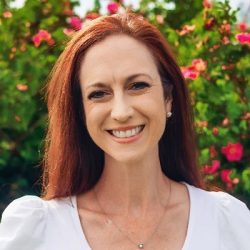
Dr. Molly Vaughan
Electrical Stimulation in Pediatric Pelvic Health: Clinical Reasoning for Bowel and Bladder Care
This lecture will provide pediatric pelvic health therapists with an evidence-informed overview of electrical stimulation as a treatment tool for pediatric bowel and bladder dysfunction. Participants will review the physiological rationale, safety considerations, indications, contraindications, and clinical decision-making involved in using electrical stimulation with children. Common applications, including urinary urgency, incontinence, dysfunctional voiding, constipation, and fecal incontinence, will be discussed with emphasis on practical treatment parameters, patient selection, and integration into a comprehensive pediatric pelvic health plan of care.

Katherine Worst
An Outpatient Hospital-Based Bowel Management Program for Severe Constipation and Medically Complex Patients
Managing bowel dysfunction in children with complex medical needs requires a structured, multidisciplinary approach. This lecture explores the components of a hospital-based bowel management program through a pediatric colorectal center, examining the goals, scheduling frameworks, and clinical interventions that guide patient care. Learners will gain insight into how these programs are designed to address the unique needs of children with severe constipation and medically complex diagnoses, moving beyond standard outpatient strategies to more specialized, coordinated care.
Dr. Kimberly Wesley
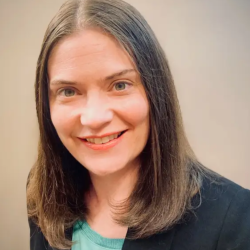
Small Patients, Big Feelings: Psychosocial Considerations in Pediatric Pelvic Health
This session explores how emotional development, stress, family dynamics, and behavioral patterns influence bowel and bladder function in children. Pelvic floor symptoms rarely exist in isolation, and understanding the psychosocial context is essential for effective assessment and treatment. The talk examines how conditions such as anxiety, ADHD, sensory processing differences, and trauma histories can shape toileting behaviors. Strategies for psychosocial care, family‑centered communication, and interdisciplinary collaboration are woven throughout to support more holistic and compassionate clinical practice.
Conference Schedule
Morning
10:00am EST
Welcome-Quiara and Dawn
10:05-11:05am
Amy O’ Malley: How to Balance Bowel and Bladder Pelvic Floor Therapy with the Growing Neurodiverse/Sensory-Challenged Population.
11:15-12:15 pm
Samantha Goedde-Pappamihail: Optimization of Fiber for Management of Diarrhea and Constipation
12:25-1:25 pm
Kari Hayes- Johnson: Imaging in Pediatric Colorectal Disorders: A RAD PERSPECTIVE

Lunch Break
1:30-2:00pm EST 30 min
Lunch Break
2:00- 3:00 pm
Molly Vaughn: Electrical Stimulation in Pediatric Pelvic Health: Clinical Reasoning for Bowel and Bladder Care
3:10 - 4:10 pm
Katherine Worst: An Outpatient Hospital-Based Bowel Management Program for Severe Constipation and Medically Complex Patients
4:20-5:20 pm
Kimberly Wesley: Small Patients, Big Feelings: Psychosocial Considerations in Pediatric Pelvic Health
5:20- 5:30 pm
Quiara and Dawn Closing remarks/adjourn
5:30- 6:00 pm
Regional Break Out Rooms (optional at the end)

Event Details:
Date: November 8th, 2026 (Sunday)
Time: 10:00 AM to 5:30 PM (EST)
Location: Live Online via Zoom
Check time zones easily with World Time Buddy
** Bonus Lectures
You will have access to the following expert speaker recordings after the live event
if you purchase the “Bonuses with Recording” Option. You will not receive
access to these amazing bonuses if you purchase “Live Event Only”:
1. Biofeedback Applications for Pediatric Bladder and Bowel Disorders- Jane
Kaufmann (PT) and Tiffany Lee (OT):
This advanced pediatric-focused lecture
will explore the clinical application of biofeedback in managing complex pediatric
pelvic health cases. Through real patient case studies, presenters will walk
through clinical reasoning, intervention progression, and outcomes as patients
work toward meaningful functional goals. Foundational principles of biofeedback
use in pediatric populations will be briefly reviewed before transitioning into
practical strategies and use of this powerful intervention that therapists can add
to their toolbox! Designed for experienced therapists, this session emphasizes
practical decision-making and advanced intervention strategies for complex
pediatric clients.
2. What You Say Matters: Body Safety, Consent, and the Powerful Role of
Pelvic Health Providers- Rosalia Rivera (Child sexual abuse prevention
specialist, Educator, and Child rights advocate):
This lecture equips pelvic health clinicians with the knowledge and tools to recognize trauma responses in pediatric patients and adapt their clinical approach accordingly. Participants will learn to distinguish between genuine cooperation and trauma-driven compliance — including subtle freeze and fawn responses that can be misread as comfort or adjustment. Through case-based examples, clinicians will examine how common, well-intentioned practices can unintentionally undermine a child's sense of safety and agency, and how small but meaningful shifts in language and sequencing can significantly reduce the risk of re-traumatization.
A central focus of the lecture is the difference between consent, assent, and compliance in pediatric care. Clinicians will explore how to structure examinations that center the child's voice — not just their tolerance — and how to invite participation in ways that preserve body autonomy without relying on parental presence or procedural momentum as proxies for readiness. By the end of this session, participants will be able to identify at least three concrete language and practice adjustments they can implement immediately in their pediatric pelvic health practice.
Pricing
Whether you can join us live or your schedule doesn’t permit real-time participation, REGISTER NOW for The 4th Annual Pediatric Pelvic Health Virtual Summit, offering a dynamic exploration of critical topics in pediatric pelvic health. Designed for OTs, PTs, and other specialized healthcare professionals-you don’t want to miss out on the insightful pearls our panel of expert speakers will share this coming November 8th, 2026.
By registering today, you gain access to six hours of engaging live presentations and discussions. For those who cannot attend live, session recordings will be available afterward, allowing you to learn at your convenience and enhance your professional skills from anywhere. Secure your spot today and contribute to shaping the future of pediatric pelvic healthcare!
Early Bird Special — Full Access:
Secure your spot early for guaranteed access to the live event. Includes access to all session recordings afterwards PLUS two exclusive bonus lectures — all this for only $269! Available now through October 11, 2026. Act quickly to get the best deal!
$269
Standard Full Access:
Any time after October 11, 2026 you may purchase access to the live event (includes recordings plus two bonus lectures) for $299.
$299.00
Live-Only Event Access:
Attend sessions in real time on November 8, 2026, for only $229! With this most affordable option, you will NOT receive recordings or bonus materials.
$229.00
Develop the skills, confidence, and expertise you need to effectively treat pediatric pelvic health patients and make a meaningful, lasting difference in their lives.
FAQs
Will there be CEUs offered?
This year, we required all speakers to submit test questions, course descriptions, learning objectives, and a CV—the documentation typically needed to obtain CEUs. Because the Summit features speakers from a variety of professions, it isn’t possible for us to secure a single, global CEU approval that covers everyone.
However, by gathering these previously missing items, we’re hopeful that participants will now be able to apply for CEUs directly through their individual governing bodies.
Please check with your state’s professional education board for details.
Several states allow an individual to seek approval for a course. Protocols vary across states: some need advanced notice; some allow for approval after the course has been completed. Check with your governing body in your state to find out if this is possible for you!
Who should attend the Summit?
This course is appropriate for physical therapists, physical therapist assistants, occupational therapists, certified occupational therapist assistants, pediatric nurse practitioners and medical doctors and other health care professionals interested in expanding their practice in pediatric bowel and bladder disorders.
Content is not intended for use outside the scope of the learner’s license or regulation. Continuing education courses should not be taken by individuals who are not licensed or otherwise regulated, except, as they are involved in a specific plan of care.
If I can’t attend it live or only attend part of the day, will there be a recording?
Yes! For an extra fee, you will have access to the recording of the summit.
How long will I have access to the materials?
With your purchase, you will enjoy one year of unlimited access to the course platform, giving you ample time to review the summit’s content, refresh your learnings, and continue your growth as a pediatric pelvic health expert.
Please note: You will only have access to the recordings of the summit sessions if you purchase the recordings.
What are the payment methods?
You can pay using your MasterCard or Visa
Will I receive a certificate of attendance?
Upon completing the summit, you will be provided with a certificate of attendance. However, please note that certification for continuing education credits is subject to the regulations of your state or professional organization
Do you offer group or university student discounts for registration?
Please contact us if you have several practitioners in your practice. We offer a 10% discount for 3 more participants and 20 % off for university students. Email: pedphsummit@gmail.com
Our Esteemed Guest Speakers

Amy O’Malley
PT, DPT, PCS
Amy O’ Malley is a Board Certified Pediatric Clinical Specialist with over 26 years of experience in pediatric physical therapy. As Director of Programming at Good Beginnings in Falls Church, VA, she has spent the past decade specializing in bowel and bladder disorders, developing a multidisciplinary program that collaborates with Children’s National Medical Center, Johns Hopkins, and Children’s Hospital of Philadelphia — the only program of its kind in the region. Amy is a teaching assistant for Kids Bowel and Bladder under Dawn Sandalcidi, PT, RCMT, BCB-PMD, and serves as adjunct faculty at George Washington University.
She also mentors emerging therapists both in the U.S. and internationally, including work
with the Jackson Clinics Foundation and AMREF International University in Nairobi,
Kenya. Amy’s approach integrates developmental, medical, and functional perspectives
to improve outcomes for children and adolescents with bowel and bladder challenges.

Samantha Goedde-Papamihail
MS, RD, LD
Samantha Goedde-Papamihail, MS, RD, LD is a clinical dietitian at Nationwide Children’s Hospital in Columbus, Ohio, specializing in critical care and colorectal surgery. She has worked in the inpatient setting with the Center for Colorectal and Pelvic Reconstruction for nearly 6 years, developing individualized nutrition plans for patients with ostomies, constipation, diarrhea, and malnutrition. She currently serves as Chair of the Malnutrition Committee at NCH, leading hospital-wide initiatives to improve malnutrition identification and treatment, including the implementation of Malnutrition Awareness Week. She previously served as Lead Clinical Dietitian at Ohio Health Berger Hospital. Samantha holds a Master of Nutritional Sciences from Oklahoma State University (2016) and a Bachelor of Science in Human Nutrition from The Ohio State University (2014).
Dr. Kari Hayes
MD
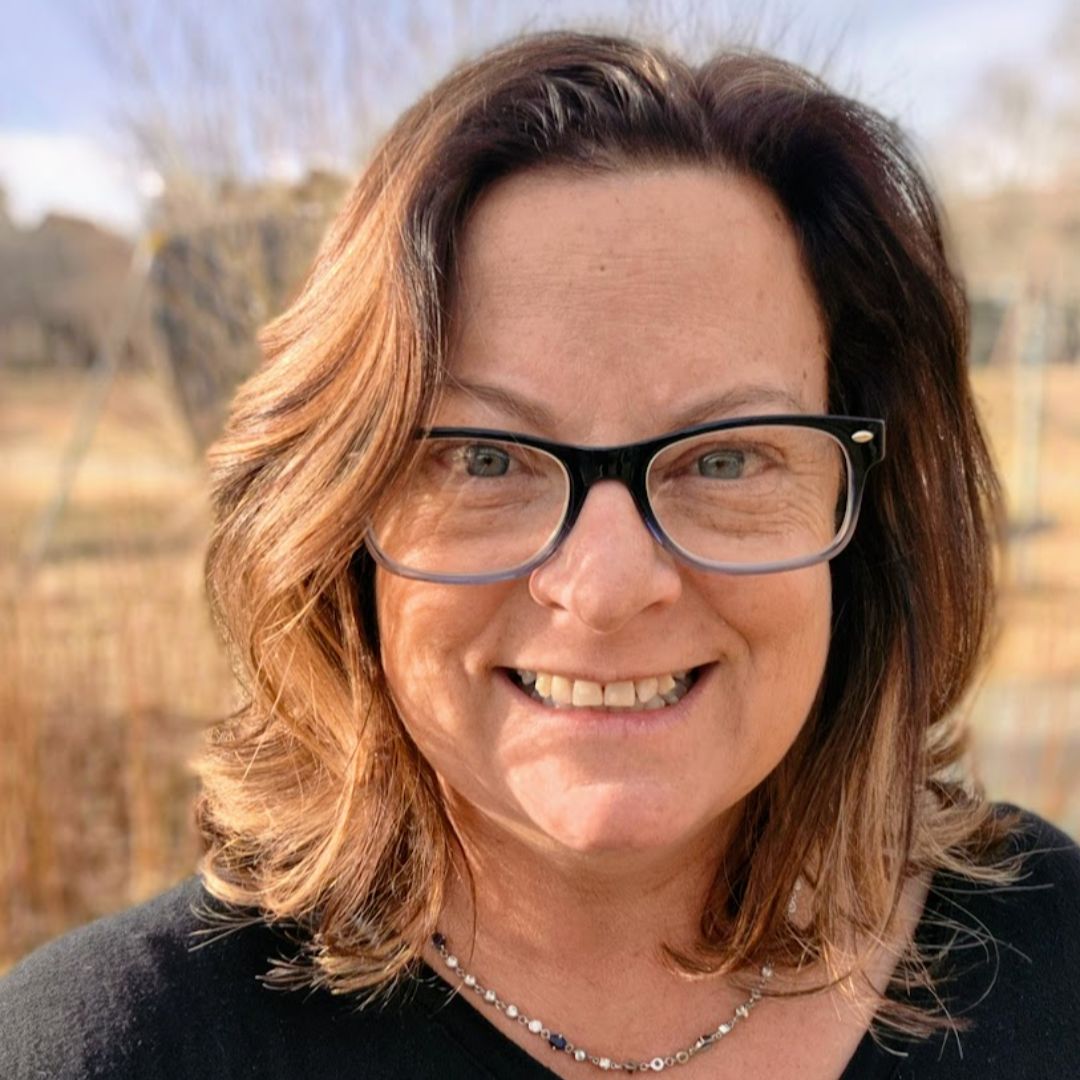
Dr. Kari Hayes,is a Professor of Radiology and Director of Fluoroscopy at Children’s Hospital Colorado, specializing in advanced imaging of anorectal malformations, Hirschsprung disease, and complex colorectal disorders. A pediatric radiologist since 2005, she leads multidisciplinary imaging for the Aerodigestive, Bowel Management, and Anal‑Rectal Malformation teams, and has delivered more than a decade of national and international teaching for the Peña Course and the Pediatric Colorectal and Pelvic Learning Consortium. Her work includes standardizing radiograph interpretation during bowel management week and refining high‑pressure distal colostogram technique. She has authored key publications on esophageal and colorectal imaging, including “Establishing normal values for pediatric esophageal diameter on fluoroscopy” and multiple ARM/HD imaging chapters. As noted in her CV, she serves as “Imaging team leader – Anal Rectal Malformations / Bowel Management,” reflecting her long-standing leadership in pelvic floor–related imaging.

Katherine Worst
MSN, MHA, CPNP-AC
Katherine Worst is a Pediatric Nurse Practitioner and the Clinical Manager for the Division of Colorectal and Pelvic Reconstruction at Children’s National Hospital in Washington DC. She became a Nurse Practitioner within the Department of General Surgery in 2013. She has been assisting patients with bowel management since 2017 and joined Dr. Marc Levitt’s team when he transitioned to the institution in 2019. In her current role, she assists with patient care while also outlining and supporting the clinical goals of the program.
Dr. Kimberly Wesley
PsyD
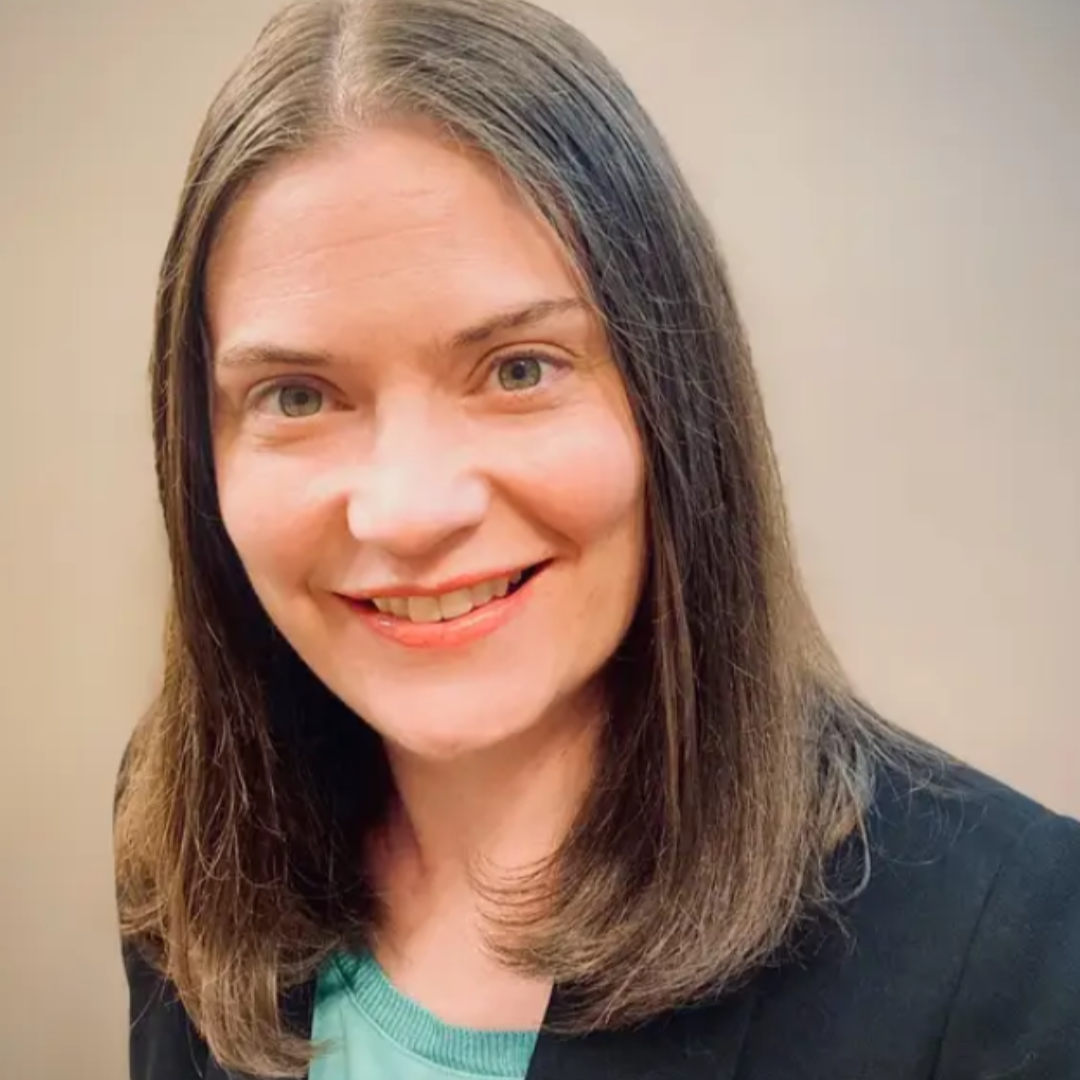
Dr. Wesley is a licensed clinical psychologist. Dr. Wesley graduated from the University of Virginia with a bachelor’s degree in Psychology. She then earned her masters and doctoral degrees in clinical psychology from La Salle University in Philadelphia, PA. Dr. Wesley completed her postdoctoral fellowship at St. Jude Children’s Research Hospital in Memphis, TN. Following fellowship, Dr. Wesley served as a psychologist at the Children’s Hospital of Philadelphia within the Division of Gastroenterology, Hepatology, and Nutrition. She then served as a psychologist with Centra Medical Group in Lynchburg, VA prior to joining the GI Psychology team in 2023. Dr. Wesley is a member of numerous professional associations, including the American Psychological Association and the Society for Pediatric Psychology. Dr. Wesley also serves as an adjunct professor in the Doctoral Program in Clinical Psychology at Liberty University
Jane Kaufmann
MPT
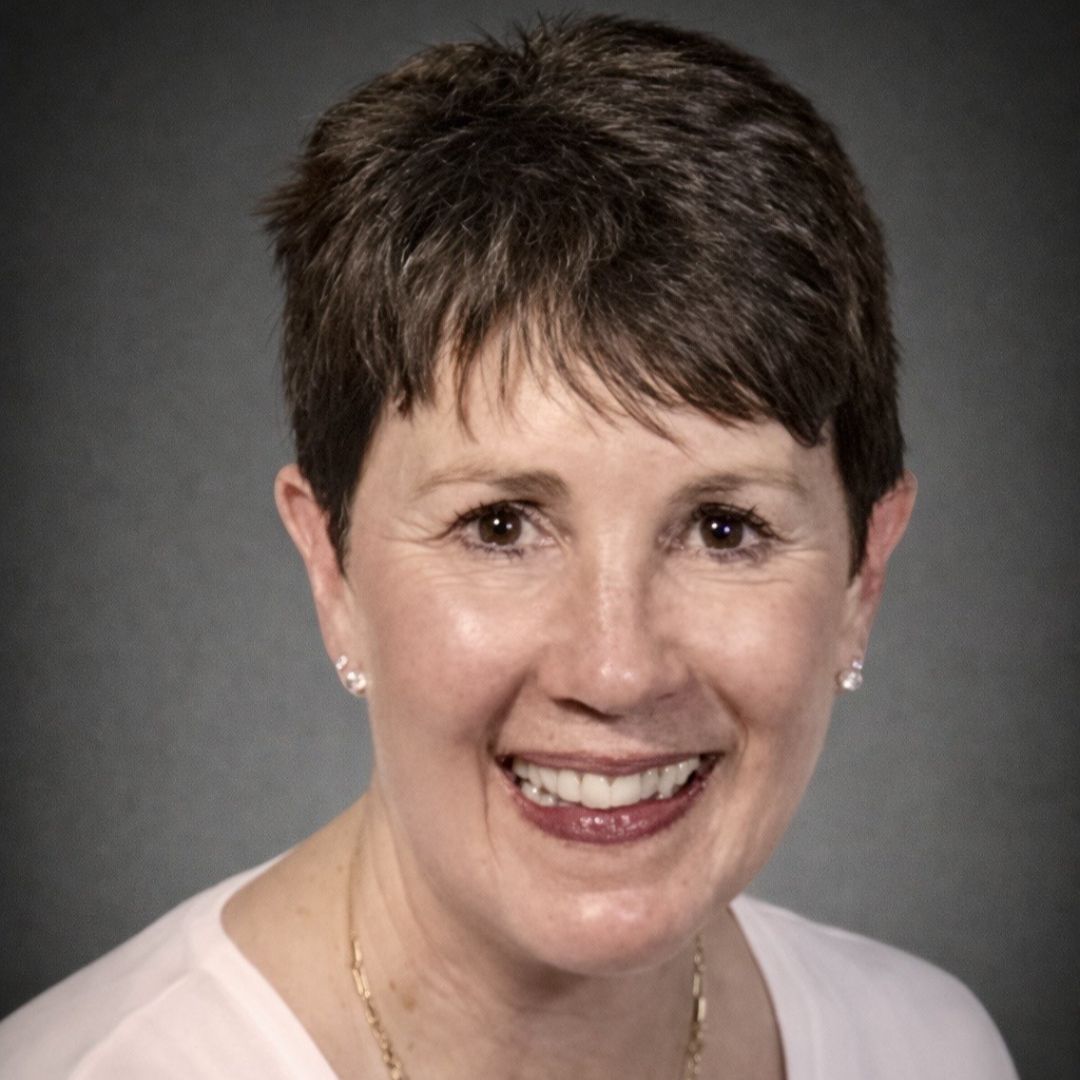
Jane is a graduate of Ithaca College’s PT program, earning her Master’s Degree from UVM. In 2002, Jane opened a private practice, developing a regional reputation for providing a successful and knowledgeable approach to complex patients with pelvic floor dysfunction. Jane treated all ages and genders in her specialty clinic. Jane sold her practice in 2022. She now helps children and families via telehealth to learn the strategies necessary to regain lost bladder and bowel control. Jane has been adjunct faculty in the University of Vermont’s PT program and spoke frequently in UVM’s College of Medicine and the College of Nursing and Health Sciences, training current and future members of the medical community. Jane teaches for Biofeedback Training and Incontinence Solutions, as well as Herman and Wallace Continuing Education. She mentors and trains healthcare providers worldwide in this powerful treatment and has assisted other countries in developing biofeedback protocols.

Dr. Molly Vaughan
Dr. Molly Vaughan is a Board-Certified Pediatric Clinical Specialist and pelvic health physical therapist with advanced training in pediatric and adult pelvic health. She specializes in the evaluation and treatment of pediatric bowel and bladder dysfunction, including constipation, encopresis, enuresis, urinary urgency, incontinence, and dysfunctional voiding. Molly is a national and international speaker, educator, and course instructor with extensive experience teaching pelvic health, pediatrics, and clinical reasoning to rehabilitation professionals. She has contributed to national pediatric pelvic health initiatives and is passionate about advancing evidence-informed, compassionate care for children and families. Her clinical and teaching work focuses on helping therapists feel more confident integrating pediatric pelvic health concepts into practical, patient-centered treatment.
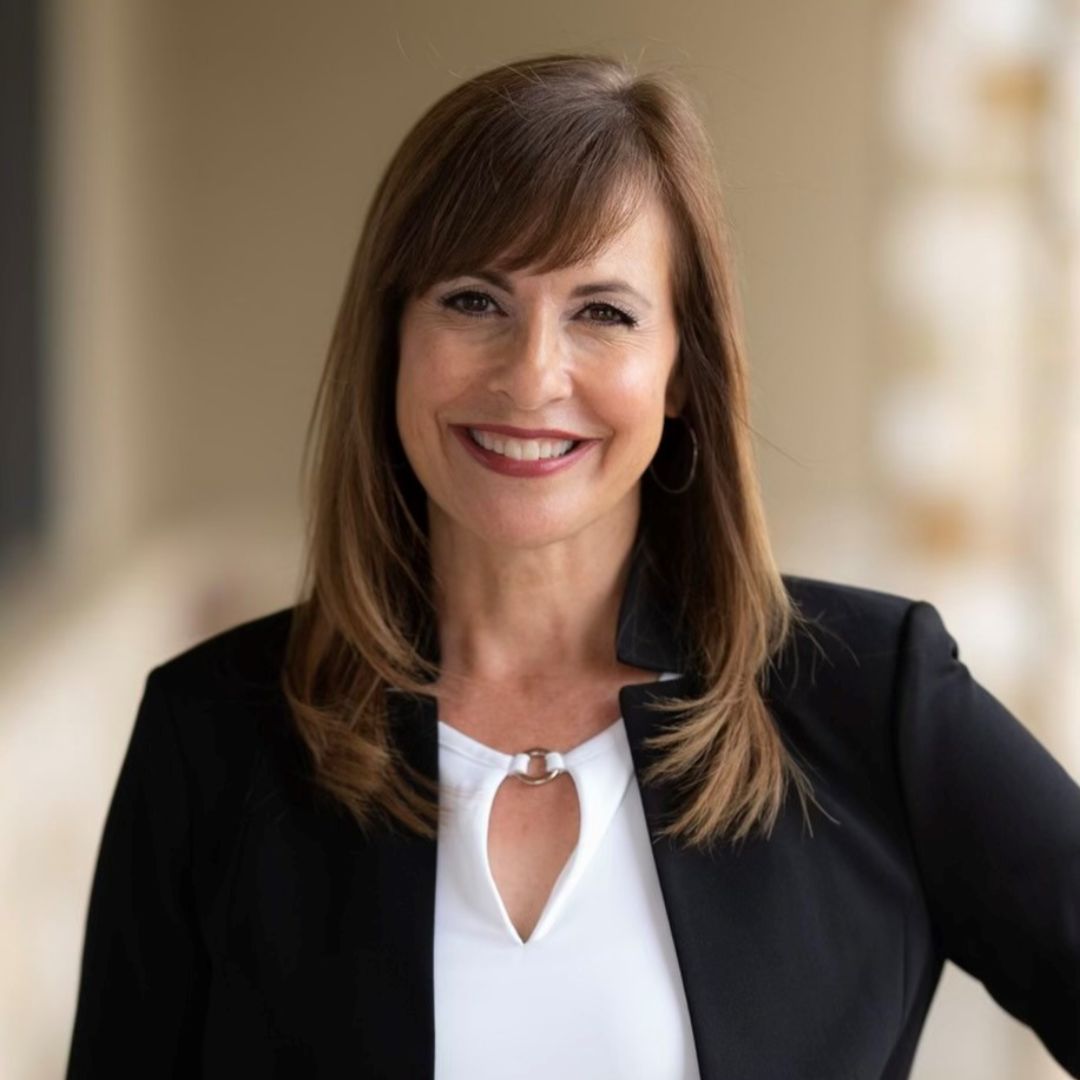
Tiffany Lee
Tiffany Lee holds a BS in OT from UTMB Galveston (1996), an MA in Health Services Management, and a post-professional OTD from Texas Tech University Health Sciences Center. In 2004, she received her board certification in Pelvic Muscle Dysfunction from the Biofeedback Certification International Alliance. She is a Herman and Wallace Pelvic Rehab Institute faculty member and teaches biofeedback courses. She has been treating pelvic health patients for 25 out of her 30-year career. Her private practice in San Marcos, Texas, is exclusively dedicated to treating urinary and fecal incontinence and pelvic floor disorders. Her continuing education company, Biofeedback Training & Incontinence Solutions, offers clinical consultation and training workshops. She also enjoys mentoring healthcare professionals working toward their BCIA certification.

Rosalia Rivera
Rosalia Rivera is a consent and child sexual abuse prevention specialist educator, and child rights advocate. She is co-founder of the BRAVE Movement, a global survivor-led organization working to end childhood sexual violence worldwide, and founder of CONSENTparenting™, an online platform that educates parents about child sexual abuse and evidence-based prevention strategies. Working at both international and local levels, she has engaged with ministers, policymakers, and global organizations to advance evidence-based solutions to childhood sexual violence. Her advocacy has influenced policy development across multiple jurisdictions, emphasizing the critical importance of survivor voices in shaping effective government responses to child sexual exploitation and abuse. Ms. Rivera’s work bridges grassroots survivor support with institutional change, advancing comprehensive strategies that address online child sexual exploitation, eliminate barriers to justice, and ensure adequate financial investment in child protection initiatives.
Meet the Hosts
Dawn Sandalcidi
Dawn Sandalcidi PT, RCMT, BCB-PMD is a trailblazer and leading expert in the field of pediatric pelvic floor disorders. Dawn has been actively treating patients for over 43 years and is actively seeing patients at Summit Pelvic Health in Frisco, CO. Dawn is an international speaker in the field, and she has gained so much from sharing experiences with her colleagues around the globe.
In addition to lecturing internationally on pediatric bowel and bladder disorders, Dawn is a faculty instructor at the Herman & Wallace Pelvic Rehab Institute. She also runs an online teaching and mentoring platform for professionals.
www.kidsbowelbladder.com #kidsbowelbladder
In 2017, Dawn was invited to speak at the World Physical Therapy Conference in South Africa about pediatric pelvic floor dysfunction and incontinence.
Dawn is Board-Certified Biofeedback in Pelvic Muscle Dysfunction (BCB-PMD). She has also been published in the Journals of Urologic Nursing and Section of Women’s Health.
In 2018, Dawn was awarded the Elizabeth Noble Award by the American Physical Therapy Association Section on Women’s Health for providing Extraordinary and Exemplary Service to the Field of Physical Therapy for Children.

Quiara Smith
Dr. Quiara Smith, OTD, MOT, OTR/L, CEIM has been practicing as an Occupational Therapist for over 16 years in both California and Hawaii working in various settings including hospitals, schools, an equine center providing hippotherapy as a treatment tool, and outpatient clinics. Her pediatric experience encompasses serving neonates through adolescents with various medical conditions and diagnoses. Dr. Smith began working with pediatric pelvic health patients in a Children’s Hospital in the SF Bay Area in 2015 and found her passion in OT in this area of practice.
Realizing the social, emotional, and psychological challenges that pelvic floor dysfunction places on children and families, Dr. Smith decided to create the very first boutique private pediatric pelvic health occupational therapy clinic of its kind in the US in 2020. Her private practice, Aloha Integrative Therapy , exclusively treats children and adolescents with pelvic floor dysfunction and toileting challenges. Dr. Smith utilizes a holistic and integrative approach to pediatric pelvic floor dysfunction. She partners with her canine assistant, Nelly, a Labrador/golden retriever cross, in guiding children toward continence with confidence.

Transform Your Pediatric Pelvic Health Practice! 🌟
Take advantage of this exceptional opportunity to expand your knowledge, connect with leading professionals, and elevate the care you provide to children and families.
Join us on November 8th, 2026 (10am -5:30pm EST) for an inspiring day filled with cutting-edge education, practical clinical strategies, and groundbreaking insights in pediatric pelvic health.
Whether you’re looking to strengthen your expertise, discover innovative treatment approaches, or network with like-minded clinicians, this event is designed to help you take your practice to the next level
Reserve your spot today and be part of this transformative learning experience!
For any inquiries or assistance, contact us at pedphsummit@gmail.com
THANK YOU TO OUR 2026 PREMIER SPONSORS!

AND THANK YOU TO OUR 2026 COMMUNITY SPONSOR!

PEDIATRIC PELVIC HEALTH VIRTUAL SUMMIT